
Microsoft 70-487日本語 : Developing Microsoft Azure and Web Services (70-487日本語版)

- Exam Code: 70-487日本語
- Exam Name: Developing Microsoft Azure and Web Services (70-487日本語版)
- Updated: Aug 06, 2026
- Q & A: 205 Questions and Answers
About Microsoft 70-487日本語 Exam
Exam 70-487: Developing Microsoft Azure and Web Services
Candidates for this certification are professional developers that use Visual Studio 2017 and the Microsoft® .NET Core Framework to design and develop Web solutions. Candidates should have a minimum of three to five years of experience developing ASP.NET MVC-based solutions. Additionally, candidates should be able to demonstrate the following:
- Experience designing and developing asynchronous solutions
- Experience developing and deploying to multi-tier environments, including Windows Azure
- Experience creating and consuming HTTP services
- Experience with the full software development life cycle of data and service solutions
- Experience designing and developing Web applications that access various (local and remote) data and services including Windows Azure
Part of the requirements for: MCSD: App Builder
Microsoft 70-487 Exam Syllabus Topics:
| Topic | Details | Weights |
|---|---|---|
| Querying and Manipulating Data by Using the Entity Framework | Query and manipulate data by using the Entity Framework Query and manipulate data by using Data Provider for Entity Framework Query data by using LINQ to Entities Query and manipulate data by using ADO.NET Create an Entity Framework data model Implement Entity Framework with third party databases | 20-25% |
| Accessing Data | Choose data access technologies Implement caching Implement transactions Implement data storage in Microsoft Azure Create and implement a WCF Data Services service | 20-25% |
| Deploying Web Applications and Services | Design a deployment strategy Choose a deployment strategy for Azure Configure a web application for deployment Manage packages by using NuGet Share assemblies between multiple applications and servers | 15-20% |
| Creating and Consuming Web API-based services | Design a Web API Implement a Web API Secure a Web API Host and manage Web API Consume Web API web services | 20-25% |
| Designing and Implementing Web Services | Consume a WCF service Implement serverless Azure Web Services Implement traffic management in Azure Implement Azure API Management Monitor web services | 15-20% |
With a total new perspective, 70-487日本語 exam has been designed to serve most of the workers who aim at getting the exam certification. As a worldwide certification study material leader, our company continues to develop the 70-487日本語 exam study material that is beyond imagination. We put emphasis on customers’ suggestions about our 70-487日本語 VCE exam guide, which makes us doing better in the industry. People are at the heart of our manufacturing philosophy, for that reason, we place our priority on intuitive functionality that makes our 70-487日本語 latest practice questions to be more advanced.

The natural and seamless user interfaces of 70-487日本語 updated test questions offer a total ease of use. We assume you that passing the 70-487日本語 exam won’t be a burden. In fact, most of the people dedicated to get an exam certification are office workers, they have knowledge of the importance of taking the 70-487日本語 exam because of years’ of working experience in the office. The standard for them, especially for IT workers, becomes higher and higher, which makes them set high demands on themselves.
You can have a visit of our website that provides you detailed information of the 70-487日本語 latest study pdf. The following advantages about the 70-487日本語 exam we offer to help you make a decision. And we are really pleased for your willingness to spare some time to pay attention to the 70-487日本語 exam test.
Three free demos available
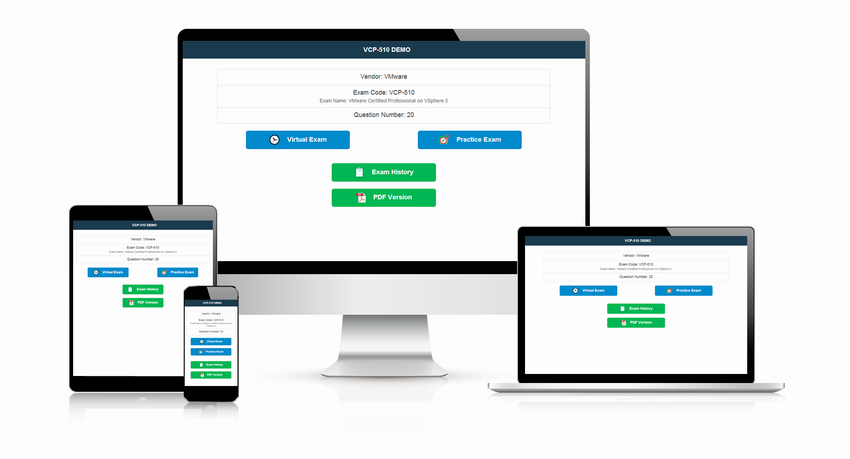
Here are parts of 70-487日本語 free download study material for your reference. For example, the PDF version is a great choice for those who want to print the 70-487日本語 exam out, it's a convenient way to read and take notes. There are several answers and questions for you to have a try on the 70-487日本語 study material vce. You can also test your own 70-487日本語 exam simulation test scores in PC test engine, which helps to build confidence for real exam. In addition, if you want to use the 70-487日本語 exam test engine offline, online test engine can be your best choice. Once you have used for one time, you can open it wherever you are at any time.
Reliable after-sale service
Our company emphasizes the interaction with customers. We not only attach great importance to the quality of 70-487日本語 latest practice questions, but also take the construction of a better after-sale service into account. It's our responsibility to offer instant help to every user. If you have any question about 70-487日本語 study material vce, please do not hesitate to leave us a message or send us an email. Our customer service staff will be delighted to answer your questions.
Instant Download: Upon successful payment, Our systems will automatically send the product you have purchased to your mailbox by email. (If not received within 12 hours, please contact us. Note: don't forget to check your spam.)
High quality and high efficiency test materials
70-487日本語 Online Exam Simulator is the most reputable product in our company. With over ten years’ efforts, we strive for a high quality and high efficiency 70-487日本語 exam study material. As you know, it's not an easy work to pass the exam certification. Moreover, you have to give consideration to your job or school task. But with our 70-487日本語 exam materials, you only need 20-30 hours’ practices before taking part in the 70-487日本語 actual exam. That is to say, consumers can prepare for 70-487日本語 exam with less time but more efficient method.
Developing Windows Azure and Web Services 70-487 Dumps
Developing Windows Azure and Web Services 70-487 Dumps will include below mentioned topics with Exam focused percentage:
- Query and manipulating data by using the Entity Framework 20-25%
- Designing and Implementing Web Services 15-20%
- Creating and Consuming Web API-based services 20-25%
- Accessing Data 20-25%
- Deploying Web Applications and Services 15-20%
Reference: https://www.microsoft.com/en-us/learning/exam-70-487.aspx
Related Exam
Related Certifications
Over 62955+ Satisfied Customers
 0 Customer ReviewsCustomers Feedback (* Some similar or old comments have been hidden.)
Quality and Value
Free4Torrent Practice Exams are written to the highest standards of technical accuracy, using only certified subject matter experts and published authors for development - no all study materials.
Tested and Approved
We are committed to the process of vendor and third party approvals. We believe professionals and executives alike deserve the confidence of quality coverage these authorizations provide.
Easy to Pass
If you prepare for the exams using our Free4Torrent testing engine, It is easy to succeed for all certifications in the first attempt. You don't have to deal with all dumps or any free torrent / rapidshare all stuff.
Try Before Buy
Free4Torrent offers free demo of each product. You can check out the interface, question quality and usability of our practice exams before you decide to buy.












The latest & valid real study questions with the verified answers can ensure you pass your actual test at first try. Download the free study torrent for your exam preparation and start study immediately. You will success with ease by our real questions.